Free 10 ml BAC water at $75, 2 free at $150 • 10% off when you pay with crypto!

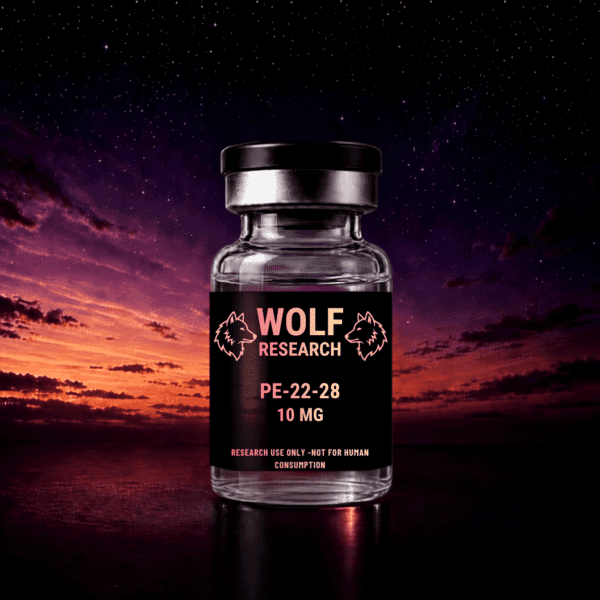
PE-22-28 10mg
$39.99
Quick Overview: PE-22-28 is a seven-amino-acid fragment of spadin used in laboratory research on the TREK-1 potassium channel and neural signaling in cell and rodent models.
- Rodent Behavioral Models: Behavioral changes reported within 4 days in rodent models; reduces immobility in forced swim tests and decreases latency to feed in novel environments.
- Enhanced Neuroplasticity: Increases hippocampal neurogenesis, synaptogenesis markers (PSD-95), dendritic spine density, and BDNF expression within days.
- Stroke Models: Studied for effects on dopaminergic neurons, motor deficits, and post-stroke behavior in animal models.
- Selectivity Data: Shows high selectivity with no effects on hERG channels (cardiac safety), no impact on heart rate, blood pressure, glucose regulation, or pain perception in preclinical studies. No TREK-1-related side effects or withdrawal observed.
- No Human Data: All evidence is from cell culture and animal studies; human safety and pharmacokinetics remain unestablished.
NOTE: This content is intended for educational purposes only and does not constitute medical advice, any diagnosis, or any treatment. This is strictly a research use only compound and not approved by regulatory agencies for human or veterinary therapeutic use or application.
In stock
| Title | Range | Discount |
|---|---|---|
| Quantity tiers | 2 | 5% |
| Quantity tiers | 3 | 7.5% |
| Quantity tiers | 4 | 10% |
| Quantity tiers | 5 + | 12.5% |
Extra Features
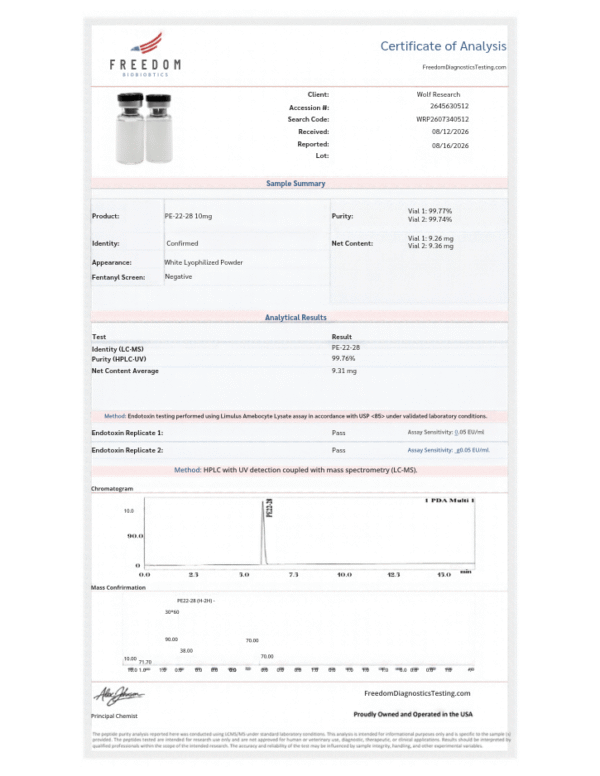
- 3rd-Party Lab Tested
- Encrypted Checkout (SSL)
Research Overview:
PE-22-28 is a selective antagonist of TREK-1 (KCNK2) two-pore domain potassium channels. In laboratory studies, blocking TREK-1 has been used to examine neuronal excitability and monoamine-related signaling. In rodent models, PE-22-28 has been reported to change behavioral and neuroplasticity assay readouts, including hippocampal neurogenesis and synaptogenesis markers, on a short time course. It is a shortened analog of spadin, with higher reported potency at TREK-1 in those assays (IC50 about 0.12 nM versus 40–60 nM for spadin) and a longer reported duration of action in the cited work. It has also been studied in animal stroke models for neuronal and behavioral endpoints. Findings from those papers are not instructions for use of this material. For laboratory research only.
NOTE: This content is intended for educational purposes only and does not constitute medical advice, any diagnosis, or any treatment. This is strictly a research use only compound and not approved by regulatory agencies for human or veterinary therapeutic use or application.
Related products
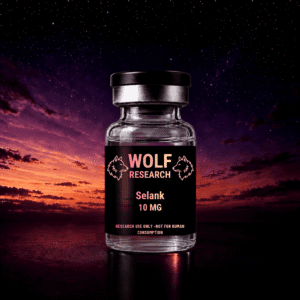
Selank 10mg
$29.99 0.00048
 0.01711
 29.99000
In stock
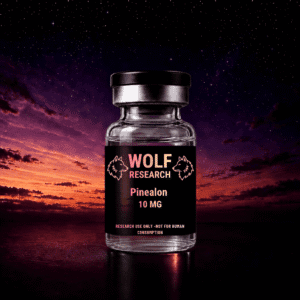
Pinealon 10mg
$35.00 0.00056 0.01997 35.00000In stock
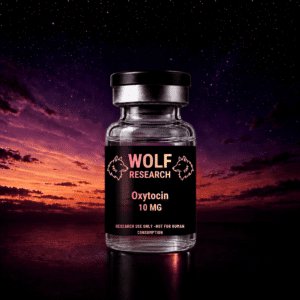
Oxytocin 10mg
$29.99 0.00048 0.01711 29.99000In stock
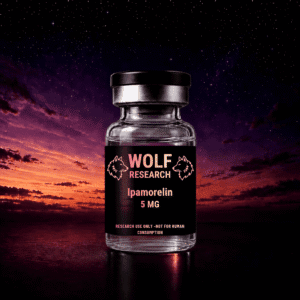
Ipamorelin 5mg
$22.50 0.00036 0.01284 22.50000In stock